Beyond Calcium: The Nutrients Your Bones Can't Live Without
Discover how nutrition supports bone health beyond calcium. This guide explores the role of prunes, vitamin D, and magnesium, in supporting bone density and reducing osteoporosis risk.
Tag words: bones, osteoporosis, menopause, prunes, vitamin D
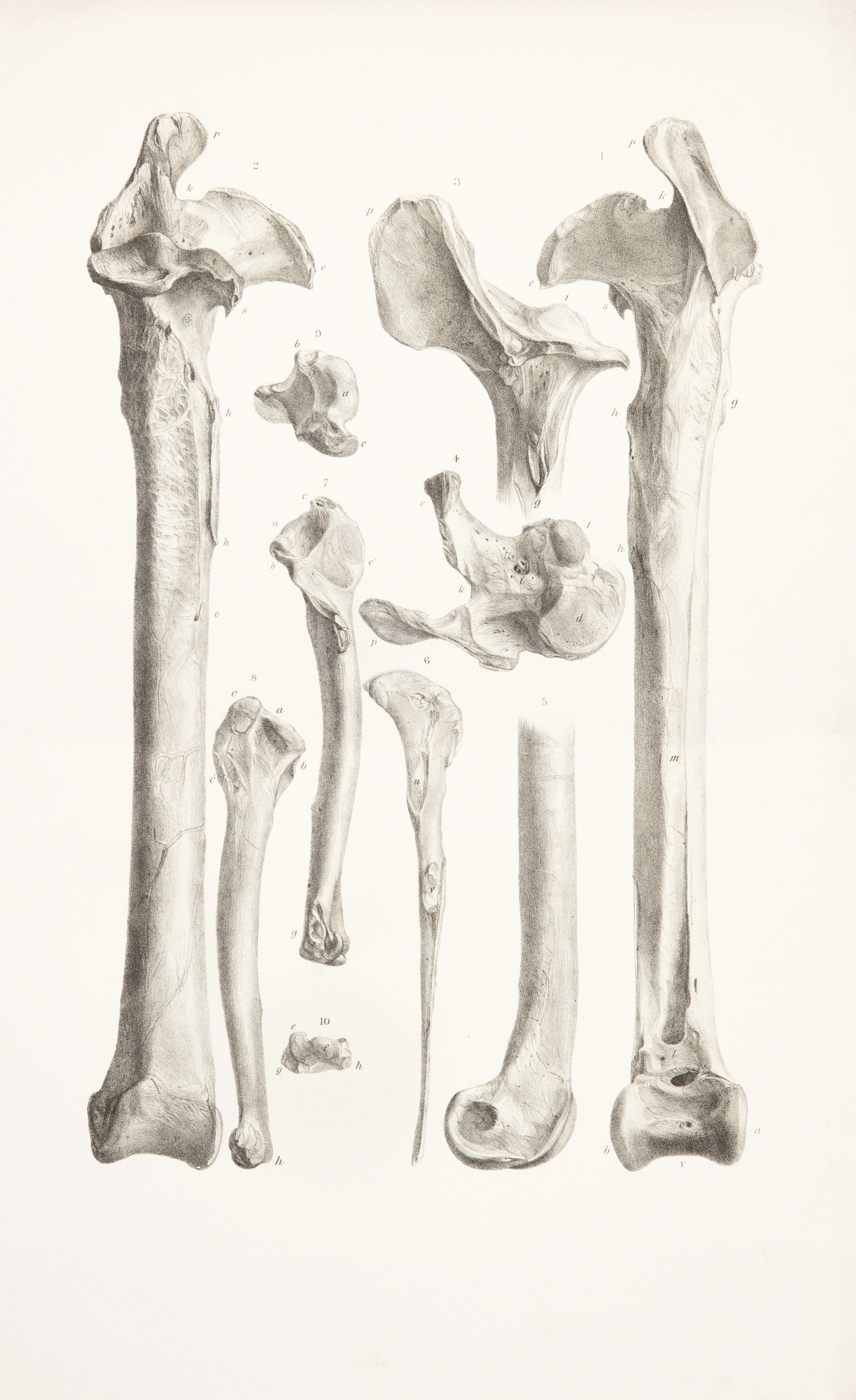
Bones are the framework that supports our body and gives it shape. They hold up our body so that it does not collapse. They work with our muscles and joints to enable our body to move. They also protect our delicate internal organs from injury.
But what happens when our bones begin to break down?
Breaking Down Osteoporosis: What It Is and How It Impacts Your Body
Osteoporosis is a chronic, progressive disease characterized by low bone density and deterioration of bone tissue. It develops when the balance between bone resorption (breakdown) and bone formation is disrupted.
This may mean that the balance is tipped toward excessive bone breakdown or insufficient bone formation, leading to more bone being broken down than replaced. This weakens bones, increasing the risk of fractures.
Osteoporosis is often referred to as a "silent disease" because it typically has no symptoms until a fracture occurs. In the early stages, people usually don't feel or see any signs of the disease. Yet their bones gradually become weaker and more brittle.
This process often leads to complications that affect overall health and quality of life.
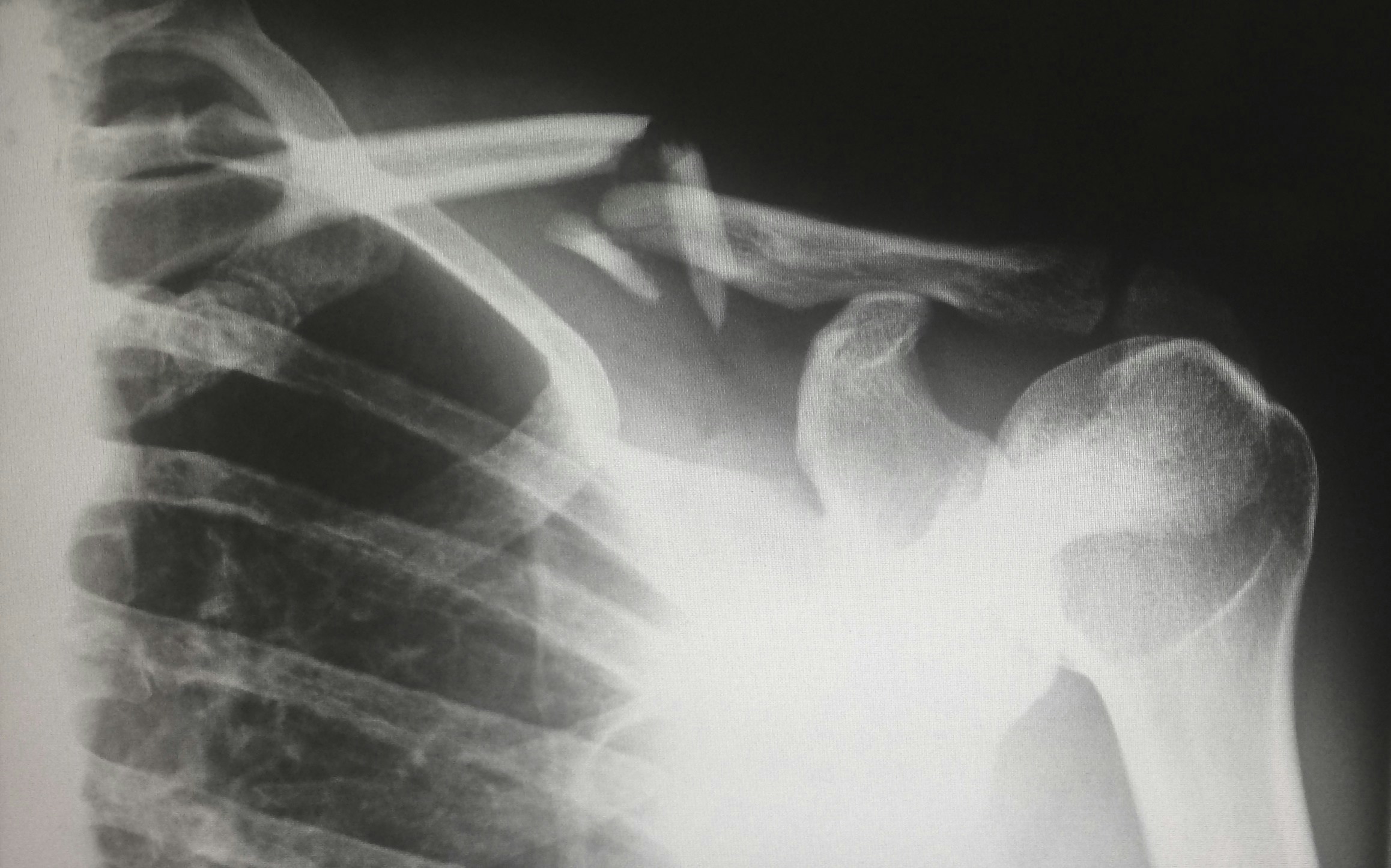
- Increased fracture risk: Fragile bones are more likely to break from minor falls or even normal activities like bending or coughing. Common fracture sites are the hip, spine (vertebrae), and wrist.
- Spinal deformities: Vertebrae can weaken and collapse, leading to back pain, loss of height, and a stooped or hunched posture (kyphosis). This can cause chronic pain and reduced mobility.
- Muscle weakness: Osteoporosis is linked with sarcopenia (loss of muscle mass and strength), which contributes to increased frailty and falls.
- Pain: Acute fractures can cause sudden, severe pain, while chronic back pain may persist between fractures.
- Cardiovascular issues: Bone loss releases calcium into the bloodstream, which may contribute to vascular calcification and increase the risk of heart disease.
- Disability and mortality: Fractures, especially hip fractures, can lead to disability, loss of independence, and increased mortality risk, particularly in older adults.
Risk Factors That Affect Bone Health
Understanding what puts you at risk can help both you and your healthcare provider identify lifestyle and nutritional interventions to implement before significant bone loss occurs.
Risk factors for osteoporosis can be categorized into modifiable, nonmodifiable, and secondary causes. The following table highlights several different risk factors within each category.
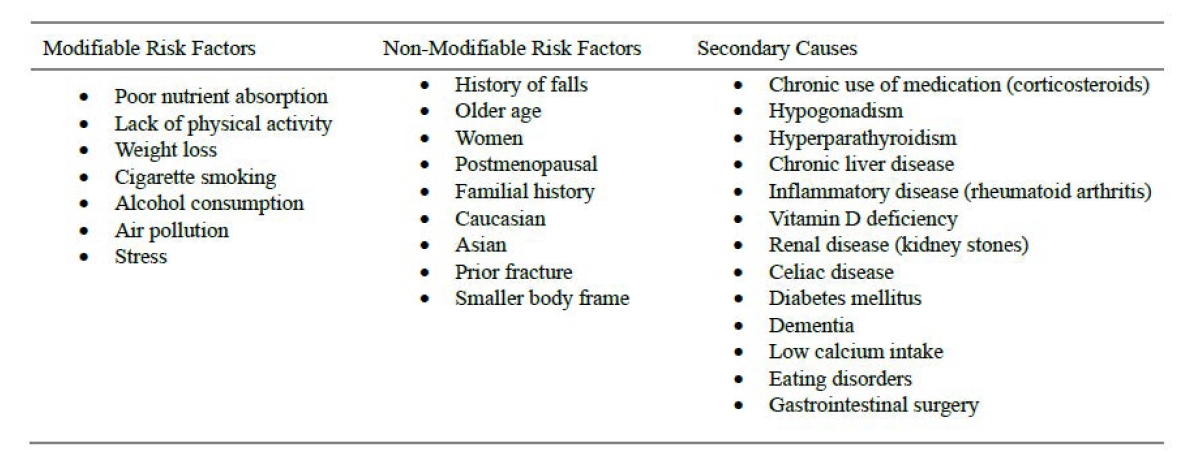
While these risk factors may increase the likelihood of osteoporosis, many can be shaped by the choices you make each day, especially when it comes to nutrition.
What you put on your plate can either accelerate bone loss or strengthen and protect your bones.
Prunes and Postmenopausal Health: A Natural Ally for Your Hips
Prunes have earned their place as a “bone-health superfood”. Research shows that prunes do more than support normal bowel movements, they can also prevent bone loss and maintain bone density and strength, particularly in postmenopausal women.
Estrogen plays a critical role in maintaining bone health by slowing bone breakdown. After menopause, however, estrogen levels sharply decline , accelerating bone loss. According to the International Osteoporosis Foundation, one in three women over the age of 50 will experience a fracture due to osteoporosis. This risk is thought to increase in women living with HIV because it can lead to chronic systemic inflammation that stimulates bone breakdown.
What you put on your plate can either accelerate bone loss or strengthen and protect your bones. For women at age 60, the lifetime risk of fracture is nearly double that of men the same age, highlighting the importance of prevention and ongoing bone maintenance as powerful strategies for protection.
Prunes contain powerful nutrients such as polyphenols, vitamin K, and fiber that work synergistically to support bones. These nutrients target inflammatory pathways, shutting them down and reducing inflammation. The greater the inflammation, the greater risk of increased bone breakdown. Prunes also enhance the activity of bone-forming cells, while suppressing bone breakdown. This shifts the balance toward bone formation rather than bone loss, helping to maintain and increase bone density.
A 50 gram dose of prunes daily (around 5 to 6 prunes) is a feasible and well-tolerated option for long-term use. When consumed daily, 50 grams of prunes can prevent loss of total pelvic and femur bone density and worsening fracture risk. Higher doses may cause side effects like bloating, cramping, gas, and diarrhea, which can be extremely uncomfortable and impact compliance.
The Sunshine Hormone

Suboptimal vitamin D levels is strongly linked to a greater risk of bone loss and fractures because of the intricate relationship between vitamin D and calcium. Vitamin D increases the amount of calcium absorbed, especially when calcium intake is low to moderate.
During active transport, the calcium compound called calitriol binds to the vitamin D receptor in the intestines, facilitating calcium channels to open and allow active calcium transport into the body. Passive diffusion of calcium can still occur but the effect is not as significant.
When vitamin D levels are low there tends to be lower calcium absorption from the gut. The parathyroid hormone compensates for lowered calcium in the blood by stimulating the release of calcium from the bones to maintain a steady serum calcium level.
Over time, this creates high bone turnover, net bone loss, impaired mineralization, lower bone mineral density, and greater fracture risk.
Supplementing with 2,000 IU of vitamin D daily may help reduce fracture risk, particularly in those who are at risk for vitamin D deficiency or menopausal-related bone loss. By raising vitamin D levels in the blood, calcium absorption from the diet improves, ensuring enough calcium is available for bone mineralization. Adequate vitamin D also supports the deposition of calcium and phosphorus into bone, helping to strengthen and maintain bone density.
Daily vitamin D doses of 400, 800, and 1,600 IU have been shown to raise serum vitamin D and lower parathyroid hormone in a dose- dependent manner. While these amounts don’t significantly change bone mineral density on their own, they may help slow the typical age-related decline in bone density.
Surprisingly, some studies have found that very high doses of vitamin D can actually worsen bone mineral density, particularly at the forearm (radius). This may be due to elevations in the active form of vitamin D, which can paradoxically stimulate bone breakdown. Excessive vitamin D also suppresses parathyroid hormone, disrupting the natural balance of bone remodeling. In fact, high doses not only fail to improve bone strength but, in some cases, have been linked to greater bone loss compared to lower doses.
The complexity of nutrition accentuates the importance of working with a qualified professional before starting any supplement routine. High-dose vitamin D is not appropriate for individuals with a family history of osteoporosis, kidney stones, or cardiovascular complications, as it can raise blood calcium to dangerous levels. Additionally, vitamin D may be best paired with vitamin K2 as K2 signals calcium to be desposited in bone rather than the arteries.
Magnesium: The Missing Link
Magnesium is an important yet often overlooked nutrient for bone health. While calcium and phosphorus are usually top of mind when we think about bone strength, magnesium plays a vital role as well—about 60% of the body’s total magnesium is found in bone.
However, unlike some of the better-known bone nutrients, magnesium’s role is mostly indirect. It helps regulate the delicate balance of calcium, parathyroid hormone, and vitamin D. Certainly, without magnesium, these key nutrients can not perform their role properly.
Magnesium is necessary for the creation and activation of vitamin D, which in turn supports calcium absorption and bone health. It’s been shown through research that taking magnesium and vitamin D supplements together may be more effective for bone health than vitamin D alone—especially when deficiencies in one or both nutrients are present.
Research also shows that, at least in the short term, supplementation with magnesium citrate (1,830 mg daily) can suppress bone turnover in postmenopausal women by reducing bone breakdown while promoting bone formation. However, 1,830 mg is a very high dose and can cause loose stools and other digestive discomfort.
The recommended intake is about 350 mg of magnesium per day for men and 300 mg per day for women. Magnesium can be obtained through supplements or naturally from foods such as leafy green vegetables, legumes, nuts, and seeds. Because magnesium closely interacts with nutrients like calcium and vitamin D, choosing a high quality combination supplement may be an optimal approach for supporting bone health.

Final Thoughts
Osteoporosis is a debilitating condition that can greatly impact your quality of life. Whether you or a loved one is at risk, or has recently been diagnosed, there are steps you can take to maintain and even restore bone density.
Nutrients like calcium, vitamin D, and magnesium—as well as key foods such as prunes—play an important role in protecting bone health and reducing fracture risk. But remember, bone strength is not defined by a single nutrient or supplement. A diet rich in whole foods, paired with strategic supplementation when needed, can go a long way toward preserving strength, resilience, and vitality as we age.
If you’re concerned about your bone health risk or want to know which nutritional strategies are right for you, I can help you build a personalized plan to support your bones. Schedule a discovery call, and let’s talk about the best next steps for you.
Warmly,
Dr. Courtney Castler